
INSIGHT

Diogo Trindade
Diretcor – Business Development
Clean energy, the economical future of Portugal
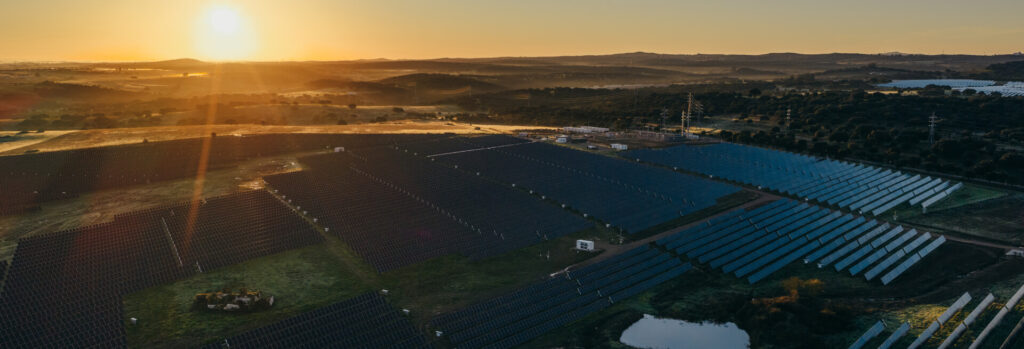
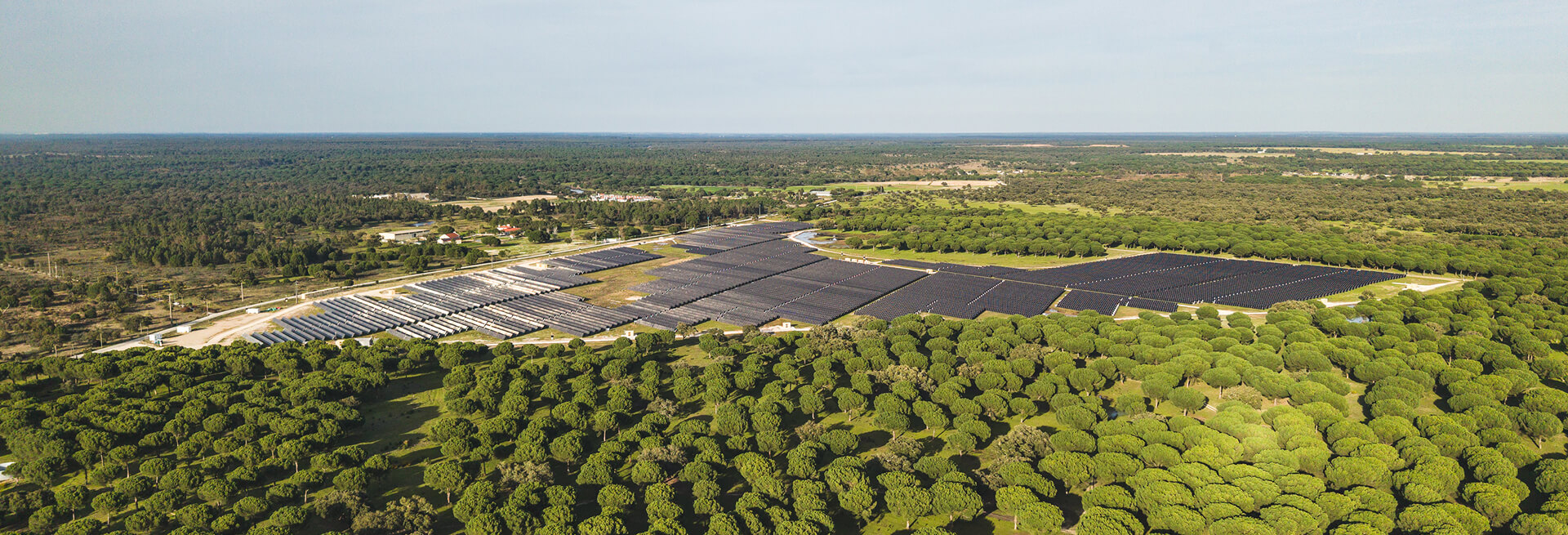
Portugal’s energy transition has been recognized internationally, reflected in the increase in installed wind and photovoltaic energy capacity, which went from 6.4 GW in 2019 to 12.5 GW in 2025 , and in the reduction of dependence on fossil fuels in electricity production.
In 2018, renewables accounted for 52% of electricity produced; in 2024, this value reached 66%, with the goal of reaching 93% in 2030, according to the PNEC 2030. This path has contributed to the decrease in the price of electricity in Portugal compared to the main European economies, to the strengthening of energy independence, a central objective of national sovereignty, and to a greater attractiveness of the country for energy-intensive industries — examples of this are the various announced projects for data centers and green fuels that depend on clean and cheap electricity.
Today, the discussion is no longer about the need for renewable energy, but about how projects should be developed, ensuring accountability, balance, and rigor in assessing their impacts — both positive and negative — particularly for large-scale plants. As energy is a structural sector of the economy, public debate should be grounded in objective information, backed by data and technical evidence, avoiding oversimplified or decontextualized perceptions.
Know more here. (only available in Portuguese)
More Recent

20 Years of Hyperion Renewables
Read More
Hyperion Renewables and Repsol Sign 140 GWh/Year Hybrid PPA
Read More
Hybridisation of the Cavaleira Wind Farm: the First Wind Farm in Alentejo
Read More